Recovery Exercises: Yoga and Stretching
Master the art of recovery through guided yoga and stretching techniques designed to restore flexibility, reduce tension, and accelerate healing. Learn evidence-based approaches to support your body's natural recovery process.
Key Benefits and Recovery Metrics
Enhanced Mobility
Improve joint flexibility and range of motion through targeted stretching and yoga poses that gently expand your body's capabilities.
Faster Recovery
Accelerate muscle recovery and reduce soreness by promoting blood circulation and flushing out metabolic waste from worked muscle groups.
Mental Clarity
Experience improved focus and reduced stress through mindful movement and breathing techniques integrated into recovery sessions.
Injury Prevention
Build resilience and reduce injury risk by strengthening stabiliser muscles and improving body awareness through consistent practice.
Visual Exercise Demonstrations

Downward Dog
A foundational inversion pose that stretches the hamstrings, calves, shoulders, and back while improving circulation to the head.
Beginner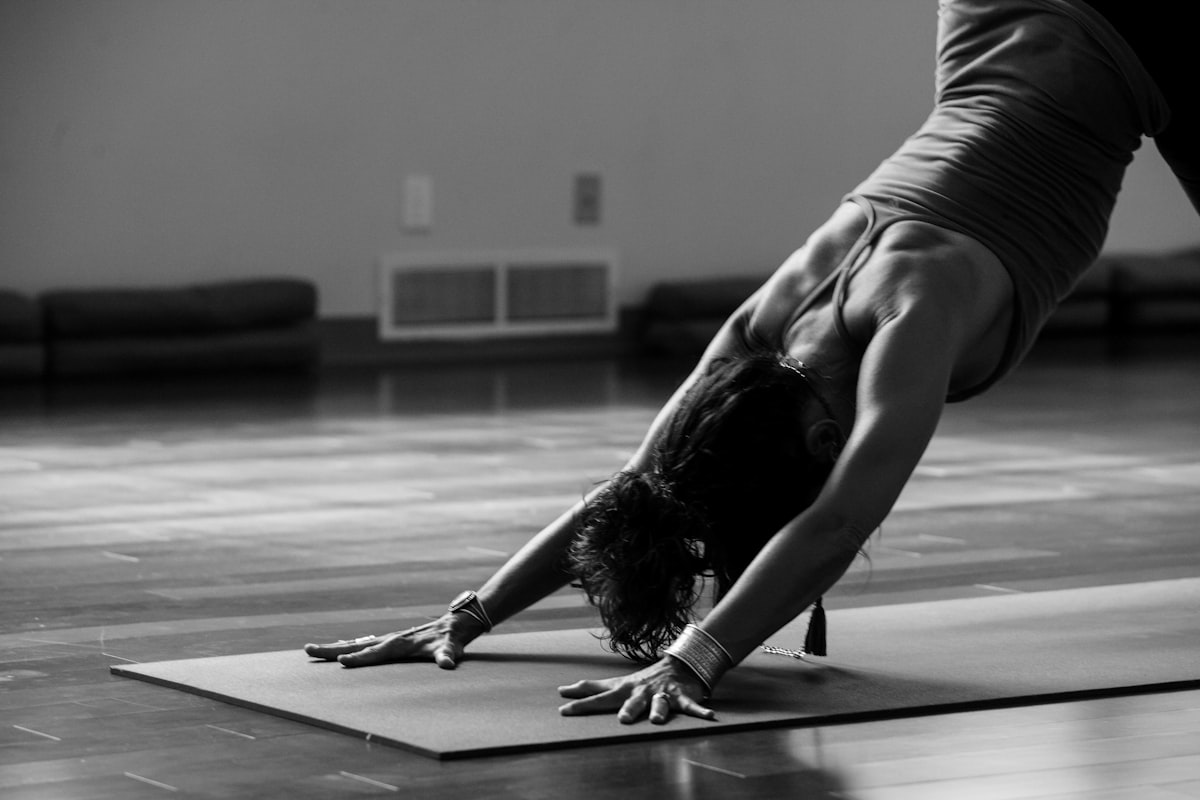
Child's Pose
A restorative pose that gently stretches the lower back, hips, and inner thighs while calming the nervous system.
Relaxation
Pigeon Pose
An intense hip opener that releases tension in the glutes and outer hip muscles, essential for runners and athletes.
Intermediate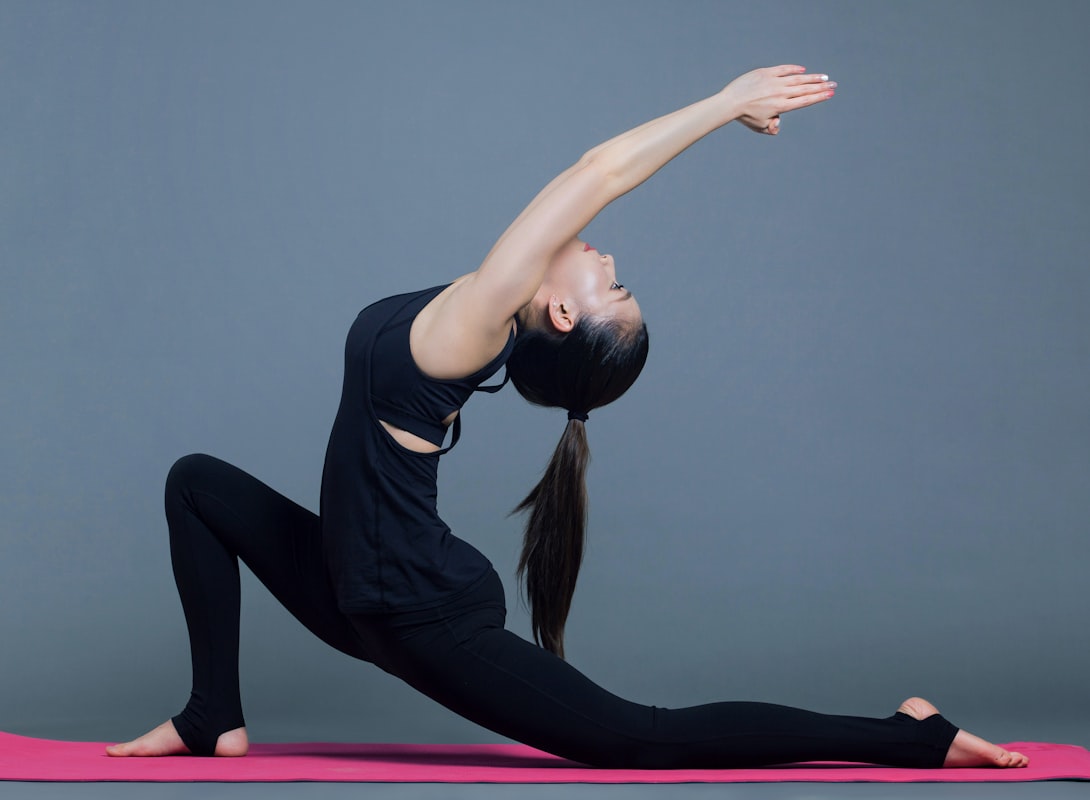
Cat-Cow Stretch
A dynamic sequence that mobilises the spine, improves vertebral flexibility, and coordinates breath with movement.
Beginner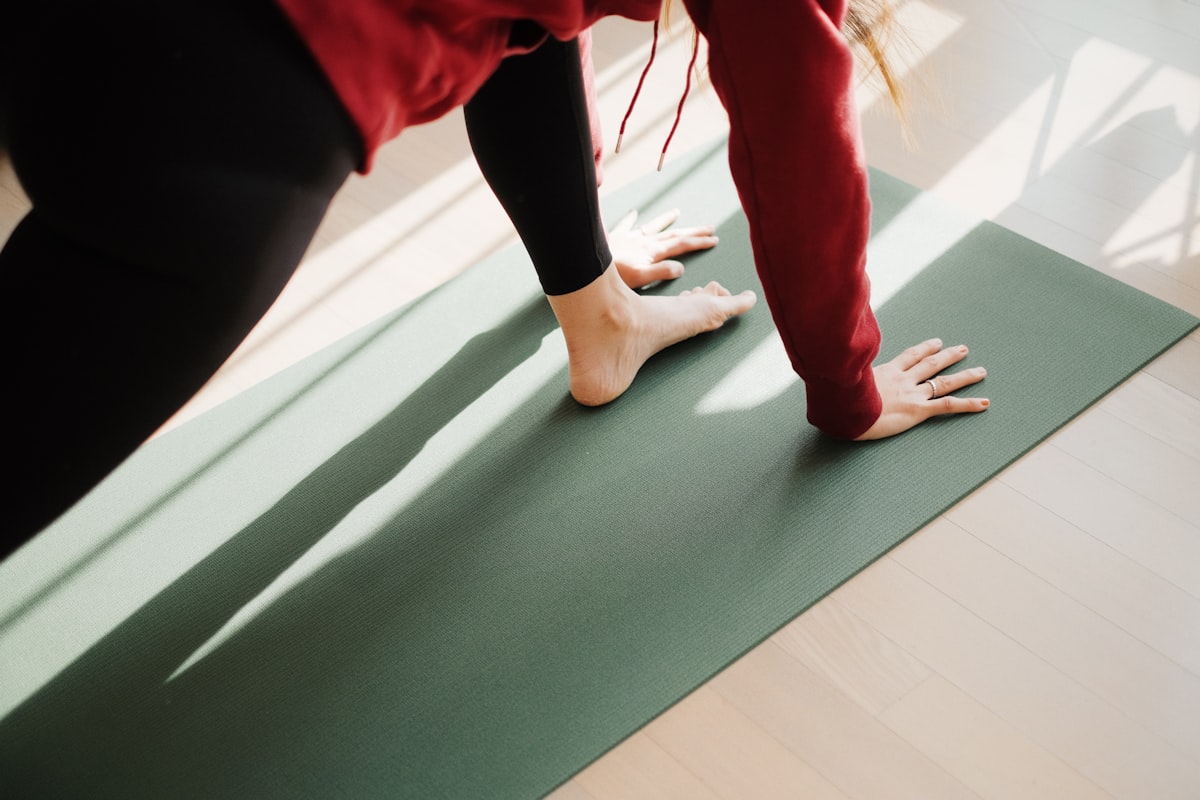
Forward Fold
Targets the entire posterior chain including hamstrings, calves, and spinal extensors, promoting deep full-body relaxation.
Relaxation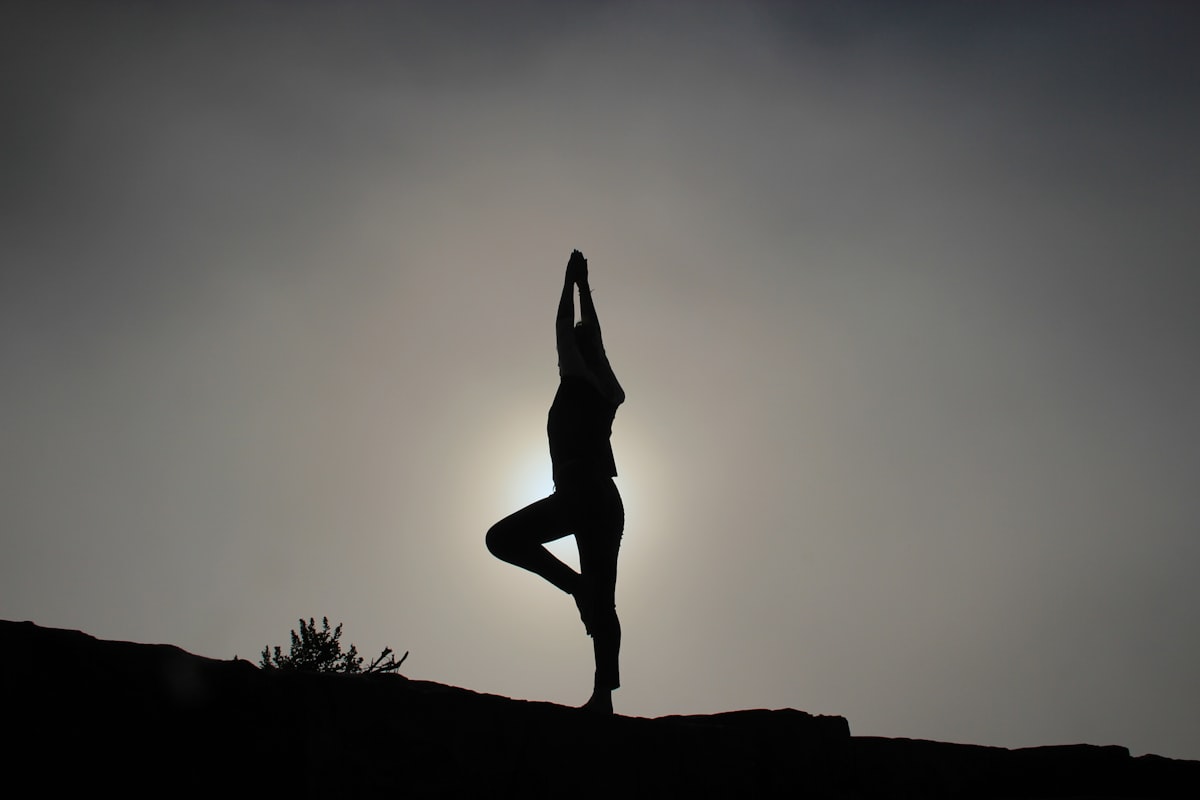
Warrior Pose
Builds lower body strength and stability whilst stretching hip flexors and quadriceps, promoting balance and focus.
Intermediate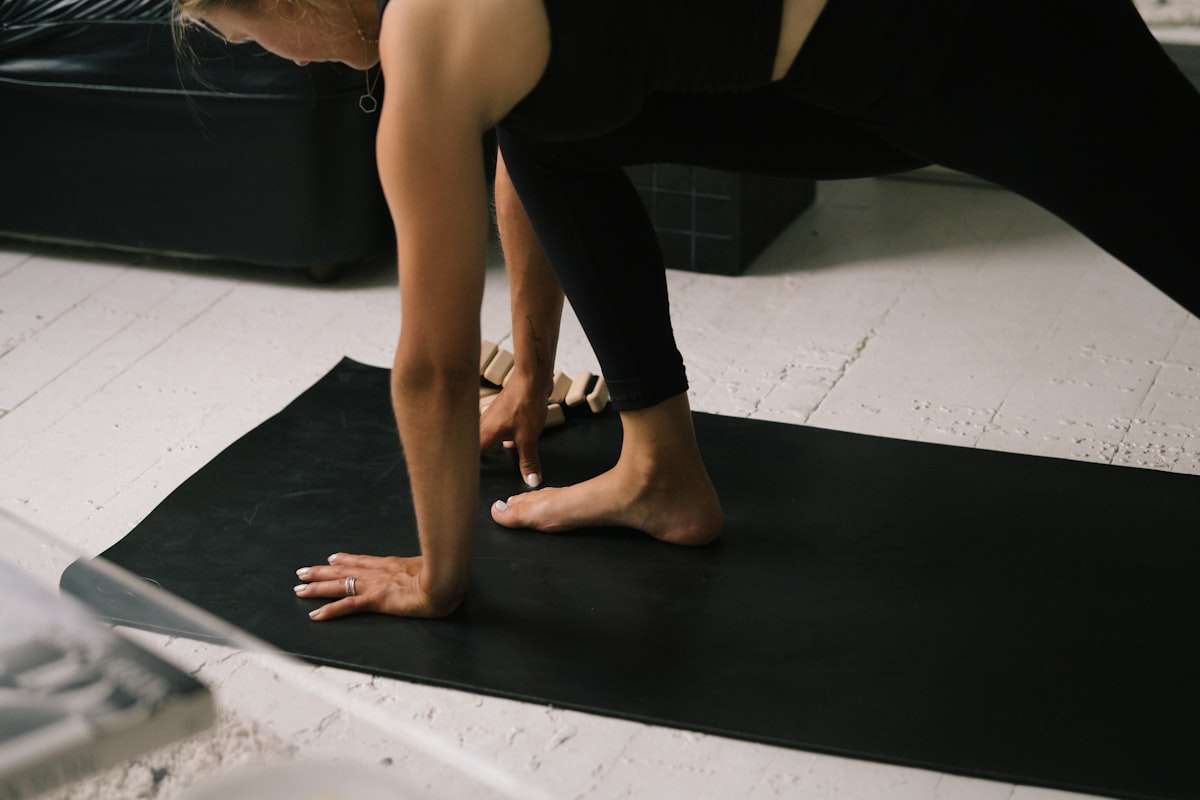
Why Recovery Matters: Expert Insights
Recovery is not a passive phase of training—it is an active process where your body rebuilds stronger and more resilient. Yoga and stretching work synergistically to enhance this process by improving circulation, reducing inflammation, and promoting neural adaptation.
When you practise targeted stretching, you increase blood flow to damaged muscle fibres, delivering oxygen and nutrients whilst removing metabolic waste products. Yoga adds a mindfulness component that reduces cortisol levels and activates the parasympathetic nervous system, allowing your body to shift from a stress state into repair mode.
Recovery exercises also improve proprioception—your body's awareness of its position in space. This heightened awareness prevents compensatory movement patterns and future injuries whilst building long-term resilience and performance capacity.
Enhance Neurological Adaptation
Regular recovery sessions teach your nervous system to balance between effort and rest.
Reduce Chronic Inflammation
Mindful stretching promotes anti-inflammatory responses at the cellular level.
Optimise Sleep Quality
Evening recovery practices improve sleep architecture and deep restoration phases.
Your Recovery Journey in 5 Steps
Assess Your Current State
Begin by understanding your body's current condition. Identify tight muscle groups, areas of discomfort, and your overall flexibility baseline. Take time to notice breathing patterns and areas where tension accumulates. This awareness becomes your foundation for targeted recovery.
Start with Gentle Warm-Up
Never jump directly into deep stretches. Begin with light movement to increase core body temperature and prepare muscles for elongation. Perform 5-10 minutes of gentle yoga flows or dynamic stretching to activate circulation and reduce injury risk during your session.
Progress Through Targeted Stretches
Move into deeper stretching sequences, holding each pose for 30-60 seconds to allow the nervous system to relax and muscles to release. Focus on problem areas identified in step one. Breathe deeply and never push into sharp pain—discomfort should feel productive, not damaging.
Integrate Mindfulness and Breathing
Combine conscious breathing with movement to activate the parasympathetic nervous system. Use techniques like diaphragmatic breathing (4-count inhale, 6-count exhale) to deepen relaxation. This synchronisation of breath and movement amplifies recovery benefits exponentially.
Cool Down and Track Progress
Finish with restorative poses like child's pose or legs-up-the-wall to bring your heart rate down gradually. Record improvements in flexibility, tension reduction, and overall feeling of wellbeing. Consistent tracking motivates continued practice and reveals patterns in your recovery timeline.
Success Stories from Our Community
"I was sceptical about yoga for recovery after my injury, but the structured approach transformed my healing journey. Within three weeks of consistent practice, my flexibility improved dramatically and the chronic pain in my lower back disappeared. The step-by-step guidance made it accessible even though I'd never done yoga before."
Marcus Chilvers
Bristol, United Kingdom
"As a runner training for marathons, recovery was my weak point until I discovered these exercises. The stretching sequences target exactly the tight spots runners develop. I've noticed faster recovery between runs and fewer nigging injuries. My performance has improved significantly since incorporating this routine."
Sarah Thompson
London, United Kingdom
"I work at a desk all day and my shoulders were constantly tight. These recovery exercises have been a game-changer for my posture and neck tension. The mindfulness aspect also helped reduce my work stress significantly. I now do a 15-minute session every evening and feel completely transformed."
James Mitchell
Manchester, United Kingdom
"After a sports injury sidelined me for months, I was frustrated and scared about returning to activity. The gradual progression of these recovery exercises gave me confidence and evidence that my body was healing. I'm now back to my sport stronger than before, with better body awareness and injury prevention skills."
Emma Robinson
Edinburgh, United Kingdom
Common Questions About Recovery Exercises
How long should recovery sessions last?
Effective recovery sessions can range from 15 to 45 minutes depending on your experience level and recovery goals. Beginners should start with 15-20 minute sessions to allow their bodies to adapt. As you progress, you can extend to 30-45 minutes for deeper stretching and longer yoga flows. Even 10 minutes of focused stretching provides measurable benefits when done consistently.
Can I do recovery exercises on rest days?
Absolutely—in fact, recovery exercises are ideal for rest days. They actively promote healing without adding intense training stress. Gentle yoga and stretching on rest days enhance blood flow and reduce muscle soreness from previous workouts. The key is keeping intensity low and focusing on relaxation rather than pushing for flexibility gains.
Is it normal to feel sore after stretching?
Mild muscle soreness 24-48 hours after intensive stretching sessions is normal, especially when beginning a new practice. This is not the same as sharp pain. Soreness indicates muscle adaptation to new ranges of motion. Sharp or shooting pain, however, signals you've gone too far and should reduce intensity. Always respect your body's feedback.
What's the difference between static and dynamic stretching?
Static stretching involves holding a position for 30+ seconds to lengthen muscles—ideal for cool-downs and recovery. Dynamic stretching uses controlled movements through a range of motion—better for warm-ups. For recovery sessions, static stretching paired with gentle yoga provides maximum benefit. Dynamic stretching is reserved for pre-workout preparation.
How often should I practise these recovery exercises?
Consistency trumps intensity with recovery work. Ideally, aim for 4-6 sessions per week, with at least one or two rest days. Daily 15-minute sessions provide better results than occasional 45-minute sessions. Your body adapts and improves most when exposed to regular, moderate stimulus. Even 3 times weekly shows significant improvements over 4-6 weeks.
When is the best time to do recovery exercises?
Evening sessions are ideal as they signal your nervous system to shift into recovery mode before sleep. However, any time you can be consistent is better than the "perfect" time occasionally. Post-workout stretching (within 30 minutes of finishing) helps with immediate soreness reduction. Morning gentle yoga enhances mobility for the day ahead. Choose a time that you'll maintain regularly.
Start Your Recovery Program Today
Join our growing community of individuals transforming their recovery journey through evidence-based yoga and stretching techniques. Discover articles, guides, and expert insights designed to accelerate your healing and enhance your overall wellbeing.
Questions about recovery exercises? Our editorial team is here to help.
Email: hello@nutritionrevitalforce. com
What Our Community Says
Real results from people committed to their recovery journey.
"The recovery exercises transformed my post-injury rehabilitation. Clear instructions and progressive difficulty made all the difference in my healing process."
Marcus T.
Athlete | 4 months recovery
"Outstanding nutrition guidance paired with exercise protocols. I regained strength faster than expected and feel better than before my injury."
Sarah M.
Professional | 3 months recovery
"The holistic approach combining nutrition, exercises, and mental wellness really addressed all aspects of recovery. Highly recommend for anyone healing."
David K.
Fitness Enthusiast | 2 months recovery
Frequently Asked Questions
Find answers to common questions about recovery and rehabilitation.
How long does recovery typically take?
Recovery timelines vary based on injury type, severity, and individual factors. Most of our users see significant progress within 4-8 weeks when following our structured programs consistently.
Can I start exercises immediately after injury?
Always consult your healthcare provider before starting any exercise program. We provide modifications for all experience levels and injury stages. Our progressive approach ensures safe advancement.
Is nutrition really that important in recovery?
Absolutely. Proper nutrition accelerates healing by providing essential nutrients for tissue repair, reducing inflammation, and boosting immune function. Our nutrition guides are science-backed and tailored to recovery goals.
Do you offer personalized recovery plans?
Yes! We provide customizable programs based on your injury type, fitness level, and recovery goals. Our team can also guide you through the personalization process to maximize your results.
Start Your Recovery Journey Today
Join thousands of people who've successfully recovered with our comprehensive nutrition and exercise guidance.
Free consultation available • No credit card required